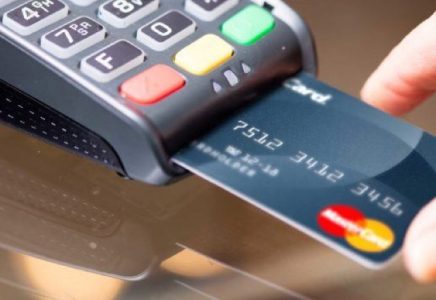
Should Online Stores Expand to Brick and Mortar

Despite all the warnings of the death of the retail store, not everyone wants to shop solely online. While studies have found that the majority of consumers enjoy doing their shopping online, there is still a good portion that likes to visit brick and mortar locations.

In many respects, the retails shop has not died but shifted its experience. And here’s why.

Online Shopping can’t Always Meet Customers Expectations.

Studies have found that more than 50 percent of consumers believe that online shopping has its own drawbacks to not being able to visit a store. Because the user is is not at the store location they are unable to touch and try a product before buying it. This can be a huge factor when selecting a specific type of fabric or electronic, as most want to test it out before purchase.

Plus, there are elements of the customer experience missing when shopping online that adds to the overall satisfaction. These factors include missing the immediate gratification of getting the product as soon as it’s bought, and experiencing the in store atmosphere and customer service. Also, an in-store experience doesn’t involve the risk of product damage, fraud and scams, or delay in delivery or shipment. You always know what you are getting at a retail store and get to use it instantly.

Expanding a Brand Happens Quicker through a Physical Store Interaction.

Online brands are still looking to establish brick and mortar stores because they see this channel as a way to build their brand with certain demographics that may still be focusing on physical stores, or are otherwise unaware of the online presence. Studies have shown, that why the sales of in store purchases are on the decline, comparatively speak the majority of transactions for major retails still happen in store. But while this is changing, there is still a need for physical stores.

Online brands have noted that they can engage with their customers in a more memorable way through a store or even a kiosk or a pop-up location. Even retail giants like Amazon have been experimenting with physical stores and have even invested in physical retail chains like its purchase of Whole Foods. And its opening of Amazon Kiosks within WholeFoods and other retailers.

Pop Up stores Stand Out.

Pop-up Shops are a new trend becoming more popular for online businesses to venture into the physical store space. Appearing at local outdoor shopping centers within empty retail space as well as set-up outdoors or on urban streets, their versatility make them easy enough to be step up on any open space. They are even appearing within the biggest department stores. If you have ever seen a pop-up shop, then you’ve also peeped the long lines and crowds that flock to these temporary brick and mortar establishments.

This type of sales format has grown rapidly over the last few years due, in part, to the ability of online retailers to dip their toes into the physical store space. Consumers like the idea of a new product and the exclusivity feel of being the first to try a new brand or product. At the same time, brands get to reach brand new potential customers in a fun, memorable, and relatively low-cost way because theses shops usually are only for a weekend or a few weeks tops.

Brands are also using these formats to go beyond selling and leverage the spaces to connect with their audiences on a lifestyle level. For example, Capital One offer their cafes which are for anyone to come in work, enjoy some coffee, and still be able to get questions answered. While major lifestyle brands, like Kylie Kardashians make up line started as a pop up store and after so much success signed a deal to be offered within Ulta beauty stores.

These experiences have even earned them a brand new term for this marketing tactic. Known as experiential marketing, these physical spaces are a way to connect with your audience on an individual and personalized level that online channels can’t provide. These physical retail experiences serve as complementary role to your digital efforts, by helping to develop an bond with the brand beyond just a simple purchase.

New Delivery Methods Redefine Offline Stores

Consumers are realizing the best of both retail channels by using on-demand options

After so many years of losing customer to online sales, retail shops determined they needed to do something to combat this. And now they offer on-demand delivery pick up services. In this option, a consumer can purchase an item online and choose to pick it up in store. Or other major brands are partnering with 3rd party delivery services to take care of the delivery aspect. Companies such as Uber, Instacart, Grubhub, Postmates etc. In this instance a customer, can purchase an item or food online and then have one of these 3rd party delivery services to send the item to the consumer. This is an on-demand delivery option that can have a product to the consumer within hours. Expanding a psychical stores presence online.

Know your Target Market and what they want.

No matter what type of business your are, it is a good idea to continue pursuing some type of brick-and-mortar strategy. Here’s what you need to consider:

• Your target audience will guide your largest channel location efforts, development, and investment as some generations and cultures prefer in person shopping experiences more than online while some split their time between both channels. Learn where your target market want to shop and why.

• Incorporate Technology when appropriate to enhance the retail experience for your customers, including the on-demand ordering and purchase options, in-store mobile information and coupons, and upgraded POS systems for alternative checkout methods with iPads and tablets for your employees.

• As an online retailer, it is a good idea to try out the pop-up format or kiosks that provide you with a temporary physical presence to engage directly with customers and add new ones. You’ll be able to give your customers the ability to touch and try products first, which could then lead to a sales right then or them going back online to make the purchase. This also gives you an opportunity to enter different geographic markets to spread brand awareness and build trust quickly.

Stay Connected to Both Worlds.

Brick and mortar locations are something the can certainly help build a online brands presence even more. By building trust with consumers, spreading awareness, and satisfying customer expectations about brand experiences. You’ll need to keep your options open across online and physical stores to address these trends and be ready to shift to one channel or remain present in both as these trends evolve.

Cheers!

Brian

Visit my website to sign up for merchant account services. Learn more here!

How to Protect your Business from Online Credit Card Fraud

An online store or marketplace has the ability to capture a whole new audience for a business that they otherwise would have no access to. When an owner finally decides to take the leap to open an online aspect of their business they are tapping into a whole new revenue stream that does not necessarily require capital to acquire. Simply by having a website, a business increases their chance to drive new traffic and customers to purchase their product or service. Thus, increasing the potential for revenue to increase as well. However, with all things there is risk involved. And when it comes to online stores and payments one of the biggest risks associated with it is the unknown of who you are working with and how they are paying. People from all over the world now have access to purchase products or services from your store, but how do you protect yourself and your payments when you do not know who is on the other side and if that card belongs to them or not? Unlike retail settings where you can verify the card holders name by asking for an ID, how can you confirm the person giving you the card details online? That is where online fraud tools come into play. These are measures put in place by the payment processor or payment gateway to try and fight back against potential fraud situations. These include simple tools at the time of transaction from CVV to AVS, to more advanced one like velocity filters, tokenization, and CAPTCHA. Below we will explain a bit more of each and how they can protect your online assets.

CVV- Card Verification Value

The need of a CVV code is one of the most basic security measures used online. Found on every credit/debit card issued, it is the 3 or 4 digit code found on the back of card by the signature line. Think of this code as similar to a PIN number, but one that is set by the issuing bank. This information is required for every transaction and should never be stored when a credit card is saved under an account, as this value is unique to that specific card. If a customer does not have the correct CVV code to match the card number, the gateway should decline the transaction.

AVS- Address Verification Code

The AVS code is one that goes hand in hand with the CVV code. The address verification is conducted by comparing the address and zip code provided by the cardholder backed against the info the issuing bank has for that card. If both match the card is approved. However if either the address or billing zip code do not match the gateway has the ability to decline that transaction. Or a merchant can wish to bypass this and still allow the transaction to take place. However, in doing so, they run the risk of a potential chargeback down the road.

Velocity Filter

Velocity filters is an all encompassing term to describe the different limitations or rules a gateway can set to determine whether to accept a transaction or not. In most cases when a velocity filter is set, it limits who can purchase products, from where, and for how much. By setting these specific rules and limitations a business can fight back against fraud. Some examples of velocity filters include….

Price- A business can set a threshold on a maximum price point or a minimum price point that they know will never be met. If a business sells nothing cheaper than $5, then they can set a threshold to never accept a transaction lower than that. The reverse can be put into play as well with a maximum transaction amount threshold. This features will help minimize fraud where someone try’s to run hundreds of micro transactions to find a working card number. Or if someone try’s to make a large purchase only to dispute it later. Essentially the gateway can block any transaction from happening outside of the prices you offer.

Country- This allows a business to only accept transactions from countries they deem trustworthy and block transactions from countries they deem to risky. This can be accomplished by referencing the BIN (Bank Identification Number) and confirming country of origin. In most cases, countries that are found to have more potential for hackers when a business is based in the US include Africa, China, Russia, etc. So by blocking those countries out, if anyone visiting their website from those countries tries to purchase an item they would not be allowed to.

IP Address- Or another way to block certain countries that fraud is more prevalent is to block them by IP address. Very similar to the previous one but instead of using the BIN the IP address of the user is used.

Transaction Attempts- This is putting a block on the number of transactions that can originate from a single source. A lot of times in a case of fraud a single user will try to run hundreds of card numbers at once or in a period of time. So a filter can be set to decline transactions after some many have been initiated in a certain time frame.

All velocity filters work to limit some part of the transaction, and in almost all cases the filters allow you to either hold a transaction to review later or decline the transaction outright. While CVV and AVS are usually included in the part of the transaction when card info is given, these other filters take place in the background and is managed automatically by the payment gateway.

Tokenization

When applied to credit card processing tokenization is the process of taking a vital piece of information, like credit card info, and replacing it with a surrogate value known as a token. Think of it in the context of a transaction. Your credit card number, CVV, and expiration date are what make up your personal account number (PAN) with your card issuing bank. When a transaction is tokenized, it take this PAN info and scrambles it up to a random set of numbers, values, letters, and symbols. And only the payment processor on the back end has the legend to read this token and process the transaction. If anyone else got their hands on the token whether its the merchant or a fraudster, they would have no way of converting it to actual useful info. All they would have access to is the assorted value of numbers, letters, and symbols. It is very similar in the way EMV chip cards work in a retail setting.

CAPTCHA- Completely Automated Public Turing Test to tell Computers and Humans Apart

As the name above refers, the CAPTCHA is a challenge response test used at the time of a transaction to confirm that the user is a human and not a robot. You may have seen this many times when you go to check out and find and image with letters that are twisting or swirling with different shapes, and it has you identity what the letters are in the picture. Or it may have you look at a series of pictures and pick out the commonality. Basically they are suppose to be simple tests that only a human could answer, thus preventing bots from trying to run hundreds of card numbers through the gateway.

If a business chooses to start selling their products or services online they will need to have a plan of action for how to combat fraud. Requiring CVV or AVS is a good strategy as they are some of the most basic and necessary tools an owner can use to help fight online credit card fraud. While all other tools are usually add ons and sometimes cost more money, certain business types can benefit form these tools. Depending on your business type, transactions types, where your customers are, transaction size etc, you may need all of these fraud prevention tools or you may only need a few. But it is always a good idea to have a plan on how to combat these types of transactions. Any gateway today should offer these options, so if you do not have any of these precautions currently then reach out to your service provider to help you get set up. Otherwise, I would suggest reviewing your current offerings and determining if it is enough to protect your business and your customers!

Cheers!

Brian

Visit my website to sign up for merchant account services. Learn more here!

What Rate Structure is the Best Fit for your Business?

In todays payment processing landscape one of the biggest differentiators from processor to processor is the price they offer. While all processors are given the same interchange rate, each individual processor chooses how to pass these fees on to their consumers. We’ve discussed in previous posts that the most prevalent pricing structures today include interchange plus, a flat fee/ percentage, or a cash discount/ surcharge program. Each with its own advantages and disadvantages, choosing the right pricing structure for your business type could be key to maximizing profits and eliminating unnecessary costs! So how does a business owner know what pricing structure is best for their business? With each business comes a different set of products or services, different price points for those products & services, and different methods of entry for the card details. And each one of these factors affect which pricing solution is best for a certain business.

Interchange Plus- Interchange plus is widely viewed as one of the most cost effective pricing structures available today. The reason being is that the interchange rate (the cost set by the card networks Visa, MC, Discover etc) is passed on to the merchant and then is assessed a small surcharge. The interchange rate for a card is determined by the method of entry (swiped, keyed in, tapped, insert) and card type (debit,credit, rewards, business, etc). With cards that are being swiped coming in at a lower rate than those that are keyed in. And those cards that are regular debit or credit are much less than rewards cards. So this structure makes it cost efficient for a business by passing on the best fee based on the how the card is taken and what card type it is. The processor should automatically recognize the card type and then asses the fee accordingly.

This solution is for really any type of business due to its flexibility. By assessing fees directly correlated to entry method or card type it makes it ideal for the retail shop like a hair salon, the online store selling clothing, or the multi-million dollar corporation. Because the price fluctuates based on the card type and entry method, the merchant can always ensure they receive the cost of that specific transaction plus a small surcharge.What a business needs to be mindful of though is the monthly fees associated with the account and the additional surcharge above interchange the processor includes. The only time this pricing model does not make sense is if these fees are high related to your processing volume. Due to the monthly fees sometimes, an interchange plus model may not be the best solution for a small or seasonal business. If you do less than $1500 a month in processing or do not process every month, then the monthly fees associated with an interchange plus program make it cost inhibitive to those level of processing businesses. Also, if a processor charges higher than a .50% surcharge, then your fees for some cards types could end up being high than of other pricing structures. While these two instances may not affect every business, there are certain ones out there that may not see the benefits of a interchange plus pricing model. However, those that process any sort of volume will see fairly quickly the interchange plus program is the most cost effective one.

Flat Rate- Is the most simplified pricing model available in the payment processing industry. In this rate structure, rather than having a varying transaction rate or monthly fees all the fees are rolled into a simplified percentage and flat transaction rate. And are only assed these fees when a transaction take place. Normally you are offered a rate for swiped cards, and then a higher rate for keyed in transactions. However, those are the only fees you will see in these solutions, making it very easy for business owners to understand what they are being charged because there are very few rates.

Because of this easy to understand pricing and no monthly fees, it is a great option for the start up business or new business owner. If you have never accepted credit or debit cards before and are just looking to start processing cards but do not know how much volume you will have, this is a great option. The value is in the ability to only pay fees when you accept a transaction. So this protects a business from additional monthly fees by not hitting certain levels of processing, or for not processing at all. This is why this option is also great for the seasonal business or small business owner that only works at trade shows or is not operational everyday. Most other methods of payment acceptance will come associated with monthly fees that can penalize you for lack of processing. In a flat rate option, the business is only assessed fees for the cards you take. Making it a great cost effective option for a new business owner. And also making it a great option for those business owners that wish to have an easy to understand pricing model. However, if you are an established business that maintains certain levels of processing every month, then this pricing package can be more expensive. Because it is a flat rate, a processor needs to incorporate all their costs into this singular rate. Unfortunately in doing so, their transaction fees tend to be higher than what other processors can offer especially through an interchange plus program. So while this option is great for a start up businesses or seasonal one, an established one will quickly find out the transaction fees are far more expensive then they can get elsewhere.

Cash Discount or Surcharge- The newest pricing strategy to come to payment processing. Cash discount or surcharging is the practice of passing on the credit card processing fees to the consumer of the merchant. In this instance, when a customer visits a place of business and purchases an item, rather than that merchant paying a transaction fee they pass it on to the customer buying the product or service. The merchant does this by assessing a 3-4% additional fee to the total of an item. So in the instance of a $100 purchase, as oppose to charging the customer that price, 3.99% would be added making the new total $103.99. The merchant then receives the $100 as expected but the $3.99 is withheld to pay the payment processor.

The cash discount program is a pricing structure that almost any business could find a use for. By passing along the fees to the customer it can be one of the most cost effective solutions by eliminating anywhere from 60-90% of processing fees. But there are a few downsides. First and foremost, you are passing the fees on to your customer. A lot of businesses feel they could never charge their customers an additional fee for using their credit card, as they might feel their customer may be upset with this new charge. This can be especially true for those merchants who have large ticket items and charge hundreds or thousands of dollars per transaction. In those instances, the 3.99% fee can add up to a lot of money. But for a convenience store or business with smaller ticket items around $10-$50, then the 3.99% does not add up to much. So businesses need to think first and foremost about their own customers and what their reactions would be. Could this be added with little cost, or would it upset your clients with the increase in prices leading to fewer sales? The other negative, is that some states have made this practice illegal. While it is generally available across the US, not all states have the same rules and regulations. And some countries outside of the US do not allow this pricing structure either. So as a business owner you will need to think about where you operate and check local laws to ensure this is even an option for you. None the less, with the ability to eliminate 60-90% of processing fees, it can make it a cost effective option for any business. The only real determining factor should be if a business feels their customers would accept this change or freak out and lead to fewer sales.

Businesses today have the option to customize their processing package more than ever before. With the vast array of solutions and pricing available, owners have the capability to choose the best solution that is perfectly suited for their business type. Knowing whether you are a new business or established one, and the entry method you take for your payments can help lead you to determine the right pricing structure and therefore right payment processor for you. With rates the way they are offered today, there is no reason anymore that a business owner should over pay for processing. With options like interchange plus, flat rate, or cash discount, an owner has the tools at their disposal to find the best rate structure for their business and how they accept payments.

Cheers!

Brian

Visit my website to sign up for merchant account services. Learn more here!

Questions Business Owners Should Think About when Choosing a Payment Processor.

As a business owner today, I bet you receive numerous calls and emails a day in regards to changing your payment processing services. There are so many vendors popping up each day offering you the world from no cost processing, to free equipment, to thousands of dollars if they can’t save you money, blah, blah ,blah. There is so much noise out there in regards to what a payment processor can offer, it can often times be confusing of what you should really be looking for or asking in terms of questions. Because there are so many options, there are certain things you as a business owner want to be sure to ask before switching payment processors. Some questions you should be asking to better prepare you for your decision include:

What can I expect in terms of fees?- When you sign up for a merchant account, you should expect to pay some type of fee for every transaction along with monthly fees potentially. But you want to make sure you are fully aware of all fees you could be charged. Fees you should ask and see if you will be charged or not include:

-Discount rate

-Interchange rate

-Per transaction fee

-Monthly fee

-Service fee

-Hardware fee

-PCI fee

-Annual fees

-Cancellation fees

-Support fees

-Chargeback fee

-Refund costs

How will you be billed?- Once you understand what rates you will be charged, you will want to understand how those fees will be applied to the transaction and then be billed to you. Will the fees come out of each days transaction, a practice known as daily discounting. Or the industry standard is to have the fees billed one time at the end of the month. So you will want to confirm if it is this option. You will also want to ask how you receive this bill for your fees? Statements can sometimes be sent to you in the mail, or others will make you go online through a partner portal to view your bills.

When will you receive your money?- The whole idea behind running a business is to make money. So knowing how you will receive your funds for the transactions you take is vital. After your transactions process and go out to batch at the end of the night, how long can you expect to wait for that money to hit your bank account. Will it be the next morning, within 24 hours, within 48 hours, or longer? And if it is longer, how long could they potentially hold your fund for? Some processors can hold your funds to confirm transactions, so you want to make certain if this is possible or not.

Does the contract or agreement look like what the rep said?- A lot of times your sales rep makes a commission based on the sale of your account. And they make their money based off of what they charge you and how much your process through them. So be sure to confirm your pricing on the agreement is what the rep claimed. As sometimes reps have been know to not fully explain rates or only give you a snap shot of the cost. Also be sure to view the terms and conditions and make sure they align with what you are told. Here you can find little details about contract length, cancellation fees, hidden or added fees, etc.

What is needed to sign up, and how do you apply for a merchant account?- The requirements to apply for a merchant account can vary from processor to processor depending on solution and account set up. Information you can expect to give can include personal info like date of birth and social security number, business info like address and website, banking info for deposits and fees, etc. Additionally, some processors will have you fill out an application online or others will send you an application and have a sales rep assist with completing it. Once submitted, applications typically can be approved in a matter of hours to 2 days, at which point any equipment will be shipped out. This generally takes 3-5 business days depending on location of business and distribution center.

What type of solutions do they offer?- Today’s processors can offer so many options in terms of ways to accept credit/debit cards, you want to make sure as a business owner you are aware of everything they offer. From retail, to POS, to wireless, to mobile, to online, you should make sure your solution matches the needs of your business. If you are a retail store front, a wireless machine might not make sense unless you go to trade markets. And if you are an online only business, then a POS machine is no use to you. Make sure you are getting the right service for your companies needs. And be aware of what the cost of that service is. Usually the easier you make it for your customer to pay, the little bit more expensive that option is. So be sure to understand any upfront cost for the equipment, additional monthly fee for having the equipment, how do you get supplies/paper needs, and what is the warranty if something happens to the machine?

What sort of security/fraud options do they offer?- If you are accepting hundreds or thousands of transactions a day, you will want to make sure everything you are doing is safe and secure. Learning what sort of fraud prevention tools a processor offers, is important to know how secure your customers card information is. One of the most important things to look for in a payment processor is that it is at least PCI certified. Which is the industry compliance counsel. From there further accreditation from the ETA and other prominent counsels is always advised.

Does my contract include and 3rd parties to assist with services, and are there any additional cost for this 3rd party?- Although processors today offer a variety of solutions, sometimes these options can be outsourced from a third party and sold on their behalf by the processor. A common example of this is using a 3rd party for handling the online sales aspect. Processors may not have the money or technology to develop their own gateway, so they will utilize a gateway that is agnostic with any processor. By doing this though, there is sometimes and additional fee for the service that might not be included in the processing fees. So always ask about 3rd party fees.

What type of customer service does my processor offer, and what can you expect in terms of hours of availability?- When it comes to payment processors and support, you can receive a wide array of support options. Owning a merchant account can be confusing and sometimes dreadful if your money is being held. So you want to be mindful of what type of support you receive. Is it available 24/7? Is it fully staffed by people and US based? Or is it outsourced, which many can be to reduce costs? Or is it fully automated or online? Learning what your processors offers in terms of support is vital in knowing how they will handle any future questions or issues you may have after signing up.

What type of company am I signing up with as a whole?- In todays processing landscape a sales rep can hold relationships with multiple processors and companies offering a wide array of solutions. So learning more about the specific processor you are looking at will ensure you are working with an accredited company. You will want to confirm are they an ISO, direct acquirer, MSP, etc. Also knowing how long the company has been around, are they PCI certified, and have they been accredited by the ETA are all good measures to take before choosing a payment processor. And as always, find testimonials or reviews from real businesses are a great way to confirm a processors good standing.

When choosing a processor these are some of the most important things to keep in mind. However, they are not the only things a business should check for. Each business will have different needs and requests and will need to do their due diligence in understanding what they are signing up for. Never be afraid to ask a processor a question you do not understand, and always do your research after speaking with someone about switching or applying for a new account. Unfortunately, with it being a commission based industry you do still get a lot of salesmen that follow the all mighty dollar and are not upfront about everything. But the good news for business owners today is that there is a plethora of information and data at their disposal to educate them on the industry. Being knowledgeable about the processing landscape as a whole is a huge advantage that could save a business owner not only time but money!

Cheers!

Brian

Visit my website to sign up for merchant account services. Learn more here!

Most Popular Ways to Accept Payments Today

When payment processing first came into existence, merchants had essentially one choice or way to accept payment. You had to take the card from the consumer and basically write down the credit card information to send in. No computers to capture that info for you. If a business was lucky, they would have a machine that would become known as a “knuckle buster”. This is a machine in which you would place the credit card down with a carbon paper filament over it, and slide a bar back and forth over the card to create an impression of it on the carbon copy. As you can imagine the safety and security on this option is severely lacking, and fortunately electronic POS machines became available shortly there after. And since that time the options for taking payments have changed greatly. Today a business owner/merchant has as multitude of options to choose from including retail, online, and mobile options.

Today we will discuss the varying options that a business owner can choose to process payments. Fortunately, in present day the technology and security has advanced far beyond what we had in the past with the knuckle buster. And this has allowed the advent of multiple technologies being in use to process payments today. The options for a business owner today include such retail options as a basic terminal or full POS system, online options including a virtual terminal, payment gateway, or a hosted payment form, and then there is a mobile option for phones and tablets. Below will be a basic explanation of each, some advantages and disadvantages, and some idea of what type of businesses tend to utilize that option most.

RETAIL OPTIONS

Standalone Terminal- This option is the most basic one available today in the retail landscape. The standalone terminal is like an oversized calculator that usually has a keypad for entering transaction information, a screen that can sometimes be touch for reading out transaction info, an EMV chip slot, side card-swiper, and thermal printer. When a customer comes into to use a card the merchant would enter the transaction amount on the terminal, take the card from the consumer, and either insert the chip into the EMV slot, swipe the card on the side, or manually enter the card information. The machine, then connected via either the internet or phone line, connects to the credit networks to issues an authorization or decline. Then will print out a receipt with the total on it.

This is the perfect option for a small to medium size business owner. It is simple and easy to use, and can handle all transactions taking place in the store or over the phone. The one downside to this option is the fact that the receipt does not print out a line itemized showing of what was purchased. It only shows the total of the transaction. So it terms of bookkeeping this is not as detailed as others. But it the perfect starter option for most small to medium size businesses like hair salons, auto repair, cleaners, etc.

POS (Point of Sale)- A POS system is the next step up from the terminal in a retail setting. Found most commonly at larger retailers and grocery stores, this looks like a computer at the checkout counter. It usually contains a large touchscreen, cash box, product scanner, and then a separate pin pad to take the credit card info and swipe the card through. At the time of the transaction the cashier scans all the products which then populate and line itemize on the screen, until the customer sees the final total on the pin paid. At that point the customer will either insert their EMV chip card or swipe the card on the side wait for an authorization or decline. Once approved the customer then receives a line itemized receipt.

This option is best served for the business the needs to maintain an inventory and line item record of sale. So this is best for businesses that sell many products and need the extra bookkeeping or are a large enough business that they need the added receipt details. These systems tend to cost a lot more up front compared to a stand alone terminal, and sometimes require frequent updates. But the advantages in bookkeeping and inventory make it a great fit for larger retailers, grocery stores, and sit down restaurants.

ONLINE OPTIONS

Virtual Terminal- Outside of retail options for in store purchases, technology today has afforded the option for businesses to begin to accept payments online. Allowing owners to capture a new customer base that does not need to visit the store. A virtual terminal is exactly how it sounds. It is a URL webpage that a merchant would login into, and it would allow them to input the credit card number and billing address via an online website. This allows a business owner to login to this virtual terminal from anywhere that has internet access including at home, at the office, or even on the road, as long as they have a web browser they can access their terminal. This option also allows a user to connect to a standalone terminal or POS system to be able to accept card transactions in person, really showing its versatility.

One of the downsides to the virtual terminal though is the higher cost associated with it. You will most likely pay more in monthly fees for the ability to access the virtual terminal anywhere, and will pay more per transaction when you key in the card info directly within the virtual terminal. But the flexibility to access it anywhere, along with the option to connect with a standalone terminal making it a great option for many small businesses that need that added functionality or access points. If you are also a merchant frequently changing location or not in office, then it can be a great option as well.

Payment Gateway- A payment gateway is very similar to a virtual terminal in that they both give businesses an ability to accept card transactions online. But the gateway can be seen more as the hardware used online to integrate into other platforms such as a shopping cart, office management software, ERP, CRM etc. While a virtual terminal hives you access via a login pin a webpage, a gateway takes the virtual terminal you log into and inserts it within another system. For example, if a store offers an online shopping experience where one can purchase products, the end point where you enter the credit card details is where the payment gateway is located. The shopping cart or website gathers all the items and totals it up, while the payment gateway handles the actual input of card info, billing address, and authorization of transaction.

This option can not act alone and always needs to be integrated within another platform usually in the form of a shopping cart or software platform, POS system etc. This is a very flexible option for online and retail sales and can be utilized by any business in need of selling many products online or within a software. While the fees can be a bit higher for the convenience factor of being online, the ability to work in any platform makes it a great fit for any business in need of an online presence or access to both online and retail.

Hosted Payment Form- The final online solution is a hosted payment form. While the last two options requires a little more compliance by businesses because their website or platform will be hosting the transactions, a hosted payment form shifts that liability to the processor. Constructed similar to a virtual terminal, however the merchant processor hosts the webpage URL that the check out takes place on. In this instance a merchant is supplied with a URL link to embed within a website or access themselves. This link redirects the consumer or merchant directly to a website hosted by the merchant processor. Here the card info and billing information is inputted and processed on a safe secure site.

This option can tend to be even more expensive than the last two, as the security of the checkout part of the website is hosted by the processor as opposed to the business owner. However, this additional security makes it ideal for online donations, non for profits, and any business owner concerned with online payment fraud. It can easily be integrated into any website, with the URL provided to the business. However, because the page is hosted by the processor the client is redirected away from the original website, sometimes confusing or scaring customers. But it is probably one of the most secure options available on this list for accepting credit cards.

MOBILE OPTION

Application on phone or tablet- The final option business owners have as a way to process payments is via an application found on smartphones or tablets. Most processors today offer an option to accept cards via an application and swiper that can be attached either via the headphone jack or Bluetooth. When it comes time for a transaction the merchant would simply open the application on their phone or tablet, login, enter the transaction amount and then either swipe, insert, or key in the card info from the customer. In most cases, the receipt is sent to the customer via email that is entered after the transaction is processed, and the client uses their finger to sign the phone or tablet.

This is a great option for businesses that need a solution that can move with them to trade shows or multiple locations. And give many businesses that feel of the newest technology to accept payments. However, with transactions being stored on a tablet or phone they can be a little easier to lose those items or protect the data within the application. Also, not all payment applications are compatible with all phone or tablet operating systems. Meaning they could be limited to Android or iOS only. But overall for a business just starting to accept cards or one that needs a solution that can move, this makes perfect sense.

In the end, there is no one solution that fits every each and every business type. Because of the variety of ways business accepts payments today, the technology to capture this info is constantly evolving. Thus giving business owners/ merchants a wide array of options on how to process payments. From retail offerings, to online solutions, to mobile offering the payment landscape today is constantly evolving to keep up with technology and trends. And with that new and improved options for accepting payments will continually take place. At some point down the road, we could even begin using our fingerprints to complete transactions! But until that time, these are some of the most popular ways to process payments today.

Cheers

Brian

Visit my website to sign up for merchant account services. Learn more here!

Payment Processing Rate Structures Explained

When a business owner determines that they need a payment processing solution, one of the first things they think about is price. The reason being is they all want to know, how will the cost of payment processing affect my bottom line? In order to offer this convenience, how much will it cost? Todays cost to process payments seems confusing and complex as so many different processors offer differing rates. How is one to know what is right price for your business setup? We will investigate further as we review some of the most popular pricing structures that payment processors offer today.

As with most things, as time has gone on the price of payment processing has changed greatly over the years. Because of new rules and regulations, technologies, competition, and numerous other factors, the price for payment processing has been a constantly evolving space. Each processor is trying to find the next best way to offer their services at a discounted price while still providing them enough profit. This has spawned numerous pricing structures offered by processors to help meet the many needs of business owners today. Payment processors take all the interchange costs, dues & assessments, and their own cost into account when creating these differing price structures. This can be done in numerous ways, and why processors are able to offer so many options. We will discuss the some of the most popular pricing structures below…..

Interchange Plus– This can also be known as pass through cost. In this form of pricing structure the payment processor passes on the interchange fees and dues and assessments directly to the business owner/merchant, while including their own additional markups. Generally in these instances, for a single transaction a merchant would be charged the cost of interchange for that specific card used plus a markup know as a basis point. This can also be in the form of a percentage. This additional markup can usually range form .05%(5 basis points)-1%(100 basis points). This additional percentage/basis point it what helps cover the cost for the payment processor while also creating profit. The merchant is also charged a flat transaction fee. This can range anywhere from $0.02-$0.50 a transaction. Once again depending on the cost and profit wanted by the processor. Outside of these transaction fees, a merchant could expect any of the following fees(for definitions please see our previous post about processing fees):

-Monthly Service Fee

-Monthly minimum

-POS rental/ hardware fee

-PCI Compliance fee

-Gateway fee

-Annual fee

-And then the following fees are ones that you would only incur in an accident or specific instance. These include voice authorization, chargeback, NSF, AVS, etc.

This pricing program can be very complex and hard to understand sometimes, as the merchants statement will read off every cards interchange cost in additional to the markup by the processor. All of these rates on the statement can make it tough to understand what you may be charged. But if you can learn how this program works, it can be one of the most cost effective for merchants!

Flat Rate– This is very similar to what a Stripe or PayPal offers for their pricing. In these instances, rather than offer a different rate for every card type that can fluctuate to over 300 different varieties. This pricing structure offers one simplified rate for retail (swiped) and one for Keyed in (online or phone). Generally, the swiped rate is lower as this is a more secure transaction and you are able to verify the card holder. In this instance though, you can expect a higher percentage than on the interchange program because this one cost needs to cover all the card types. This retail rate can range anywhere from 2.50%-3% and a $0.30 transaction fee. While a keyed in transaction is less secure due to the cardholder not being present, and will draw a cost closer to 3%-4% and a flat $0.30 transaction fee.

While Stripe and PayPal offer these types of rates with no monthly fee, this pricing structure can also sometimes carry with it additional fees. This can include a monthly service fee, PCI compliance fee, or POS/ hardware fee. If it is a true flat rate program though, you should only be charged on transactions. It is usually when you want to add on services that these additional fees come up. This flat rate program is great for a business just opening up, as it is a simplified and easy way to take card payments and understand what you are paying. The drawback can be that because all these card rates are simplified into one, in many cases a merchant could be over paying on specific card types. However, in a situation with a new business or minimal transactions, this is the perfect cost offering!

Cash Discount– Also known as zero cost processing, or surcharging. Cash discount is essentially the form of passing on the cost of payment processing to the consumer/ cardholder making the transaction. Also known as surcharging, in most cases when a transaction take place, rather than the merchant paying the percentage and a flat rate of a transaction, a larger percentage is charged to the cardholder/consumer. This normally falls in a range of 2-4% of the original transaction amount is charged and added for the final total due. So rather than having the merchant/business owner pay an interchange, flat transaction fee, or flat rate fee those costs are rolled over to the customer making the purchase. In some cases this can be passed on to all credit and debit transactions, and in others it can be for just credit. Thus this program can sometimes eliminate all processing fees, and in other instances it can reduce costs by 50% or more. But the downside being, the fees are passed on to the consumer/your customer. Which obviously not all customers are happy with. Especially if it is a larger transaction size. As this fee can add up pretty quickly. Finally, in some of these instances, a merchant/business owner can still be charged a monthly fee, a customer service fee, a POS/hardware fee, or PCI fee. These extra fees can all be added by the processor as needed for the machine they provide or the additional services they provide.

The last two pricing structures are not as popular but are still options that some companies can provide

Tiered– Similar to flat rate processing, but rather than having one or two flat rates, it is broken into more tiers. Those tiers include debit, qualified credit, mid- qualified credit, non-qualified credit, and keyed in. And these different tiers can range in a wide array of %’s, from as little as .50%- 4%. Depending on the card type used and the method of entry, it will determine what tier the card falls into and is charged. In this pricing structure there is always a flat transaction rate charged as well. And finally you will incur monthly fees such as a monthly statement fee, monthly minimum, PCI fee, and possibly a POS/hardware fee. This pricing structure is not as common though as interchange and a singular flat rate has become more common place. Due to its simplicity and ability for cost savings. This was the first coming of the flat rate fee, and spawned the ability to just have to charge one rate as opposed to 4-5.

Subscription Billing– This may be one of the most uncommon form of rate structures but has seen its rise as of late with the popularity of flat rate pricing. In this case, there are different tiers based on how much volume of processing you do. And with each tier comes a fluctuating high monthly cost and flat transaction fee. These monthly fees can range from anywhere as cheap as $50 a month or as high as $500. And the flat transaction fee can range anywhere from $0.15-$0.50 per transaction. This pricing structure is not offered as often and only certain business can qualify for it based o their processing volume. Not to mention you do not see as many processors offering this pricing structure in generally as it is not always as profitable as other pricing structures.

In the end, the many different pricing patterns available today to business owners are actually advantageous for the merchant. It gives every business the ability to asses their needs and how they plan to accept cards, allowing them to choose the right cost structure for them. If you are a new business just starting to accept payments then the simplified pricing of a flat rate may be best for you. If you are a seasoned business that does many transactions and a high volume, then a interchange plus program may be best. Or maybe you feel you can pass on the cost to your clients and would love to really cut your cost, then the cash discount program is best. What’s great, is in today’s marketplace, with the right education and know how, a business owner like yourself can make the right choice in choosing their pricing structure for payment processing.

Cheers!

Brian

Visit my website to sign up for merchant account services. Learn more here!

The Cost of Payment Processing Explained

Once a business owner decides they want to pursue the payment processing route, the path to choosing a provider can be a daunting task. Each solution offers so many different options, rates, and value added services that can make this a difficult decision. And one of the most confusing and complex parts is also one of the biggest deciding factors for most, price! No matter how much a business owner wishes to say they will choose a solution because of the support or product offerings the price is also a major influence in their decision. A business owner should be asking themselves though, how this payment processing choice will impact their bottom line? Understanding the pricing structure in payment processing is key to understanding which option is best for you.

The pricing structures for payment processors can be very complex as there are so many options for pricing nowadays. So how are payment processors able to offer such different rates from each other? The first step is to understand how the rates are broken down as a a cost to a processor, and how they pass on their cost to you as a business owner.

Generally, there are three parties involved in credit card processing fees — the card issuer, the card network, and the payment processor. The card issuer is the bank or financial institution, that issues cards directly to consumers or your customers. (Chase, Capital One,Bank of America etc). The card issuers partner with the card networks such as Visa and Mastercard on credit and debit cards to sponsor these offerings. And the payments processor is the financial institution that works in the background to securely process and complete a credit or debit card transaction through the card network and the card issuer. For each card transaction, there are certain costs set by each party involved. A card issuer charges a percentage of the transaction amount plus a flat fee for the ability to run that transaction. While, the card networks add an assessment fee of their own, and finally the payment processor charges an additional percentage and flat fee on top of the card issuer, along with some other possible miscellaneous fees.

Every time a customer uses a credit/debit card in your store, there’s a small percentage and flat transaction fee that are paid from the the acquiring bank (merchant account) to the issuing bank (customer account). It’s called an interchange fee. Interchange fees are set by each of the card networks and issuers and is public information available for anyone to view. The interchange cost does not include processor fees as each processor adds their own additional fees. But the interchange cost is the same for every payment processor. It is then up to the processor to add their own additional fees. The purpose of interchange fees is to help the card-issuing bank cover things like the risk of approving the sale, fraud, and handling costs. So it shouldn’t be surprising that the factors that influence these rates relate in some way to the risk taken on by the card issuer. And therefore causes some cards to cost more than others. Some factors that influence this cost difference include:

The card that’s used
Debit cards with PINs are lower risk than credit cards, so they typically have a lower interchange rate. Rewards cards (travel, triple points, etc.) and business cards typically have have higher interchange rates to cover the cost of the rewards.

How the transaction is processed
In-person card present transactions at the point of sale (POS) typically have lower rates compared to card not-present (CNP) transactions (online, over the phone, invoices, or mail order). This is due to the fact its easier to identify and verify the cardholder in person as oppose to online or over the phone.

The amount being charged
Merchants with small ticket sizes and a large amount of sales can qualify for lower interchange rates to help reduce their costs. Major fast food retailers normally qualify for this.

The type of business
Every business that accepts credit card payments has a merchant category code (or MCC), a four-digit number that’s assigned to them by the acquiring bank or institution. The MCC is used to classify businesses into market segments that simplify IRS reporting.
The MCC also influences how much a bank or institution charges in interchange fees. Business types that are considered “higher risk” or a greater potential for fraudulent charges(like travel, gambling, gun sales, and hospitality) often have to pay higher interchange fees.

While the interchange rate is charged as a percentage and a small flat fee, there are still more fees a business owner will find are always a required cost like interchange and that includes dues and assessments. These are fees that are paid directly to the networks for the use of their card brand, as well as the ability to process transactions on their payments networks. They’re typically lower than interchange fees an amount to fractions of a penny or percentage point. But how much you pay in assessment fees varies by network and depends on things like whether the cards used were credit/debit, transaction volume, and whether foreign transactions were processed. As with interchange fees, these are available for the public to view at anytime.

While the card issuers help set the interchange price with a small percentage and flat rate fee, card networks add their own dues and assessments, the final piece to the pricing puzzle is the payment processor fees. Payment processors have relationships with the card issuers and networks that allow them to process transactions on behalf of their merchants. To cover these costs and the additional ones associated with these relationships, a payment processor must add their own fees on top of the interchange and dues & assessments. This can normally be done through an additional surcharge on the percentage and flat rate of interchange. But can also include any of the below fees.

Payment Gateway-The conduit that passes money between your merchant account and your payment processor

PCI Compliance– The security standard all businesses that accept credit cards must comply with

Chargeback– The fee incurred when a customer issues a dispute for a payment

POS software (monthly SaaS fees)– The amount you pay monthly to use your POS software

POS hardware rental– The monthly costs to rent your POS terminal hardware and other accessories associated with your POS hardware

Batch Fees– Charges for the settlement/closing out of your deposits each day (also called batch header fees)

Hosting Fees– Fees charged for traditional server-based POS systems

Wireless access fee– A fee that can be charged for using a cloud-based POS terminal vs. a traditional phone line

AVS– The Address Verification System is for keyed-in transactions and matches a customer’s billing information to the card being used, incurred on a per-transaction basis

Monthly Statement / Support / Service Fee– Some payment processors charge a flat monthly fee for support-related services, including the preparation and mailing of your monthly statement, as well as general customer support

Monthly Minimum Fee– The fee between your monthly GPV (credit card dollars processed) and the agreed-upon monthly minimum. This fee is only typically charged when a merchant does little to no processing.

NSF (Non-Sufficient Funds)– If a merchant does not have enough money in their account to cover processing fees, they could be assessed a separate penalty.

Voice Authorization– This is a fee that is charged when a merchant calls into a processor to process a transaction over the phone. This usually only occurs if a POS machine is down or not working.

As you can see many things go into the pricing when it comes to payment processing. You have to be mindful that there are three parts that go into the cost including the card issuers, the card networks, and the payment processor. The interchange and dues & assessments charged by the card issuers and networks are a cost that is the same for every business/merchant. While, the processor includes their own nominal additional fees on top of these costs to make up the total cost of processing to you, the business owner.

After learning all of this, you may be asking yourself, why my payment processing application may not include all of these costs? Or why are they bundled together into one flat rate? Tune in to the next post as we explain how a processor is able to break all the interchange and assessment fees down into their own different pricing structures to offer!

Cheers!

Brian

Visit my website to sign up for merchant account services. Learn more here!

What is a Payment Processor?

Hello, and thanks for returning. In this weeks post we are going to discuss the basics of payment processing. What is it? Why is it needed? And how does it relate to me as a business owner?

Most businesses take payments of some form from their customers on a daily basis for the desired product or service they offer, but few think much about it. In today’s business world you have the option to take cash, check, credit/debit, virtual wallets, or even bitcoin in some cases. There are so many options that one can be remiss to not think about how they can accept all these different forms of payment. Specifically when it comes to credit and debit cards. As a business owner, if you don’t know what’s involved in processing credit/debit card transactions, you can run into trouble when an issue comes up. So that could lead you to question, what is a payment processor? What all is involved with it? And what are some key terms to know? Here, we’ll answer that question and look at five other payment terms to know.

#1. Payment processor

A payment processor manages the credit and debit card transaction process by acting as the mediator between the merchant (business offering product/service) and the financial institutions involved (credit/debit card being used). A processor can authorize transactions that take place at a merchants place of business and helps facilitate the transfer of funds to the merchant’s bank account. Processors in general provide equipment for card acceptance, security solutions to keep your transactions safe, PCI compliance assistance to make sure you adhere to all rules and regulations, customer support for your account, and other value added services like marketing or a merchant portal to track sales.

#2. Merchant Account

A merchant account is what is needed by a merchant to establish a relationship with a payment processor. This account is what will allow a business owner to accept credit and debit transactions at that merchant’s place of business. The required information to set up a merchant account is very similar to what is needed to open a bank account. Think of the merchant account as what is needed in the background to run any credit/debit transactions, or the physical service of accepting a transaction like this. A business owner must choose a payment processor, fill out an agreement including business and personal info,and will then be set up with a merchant account that will allow the processing of credit/debit transactions.

#3. Acquirer

The acquirer, also known as the acquiring or merchant bank, is the financial institution that maintains a merchant’s account in order to accept credit cards. Because it is a financial institution, that is why in order to open a merchant account you need the same information as opening a bank account. The acquirer settles card transactions for a merchant into their account, and ensures they receive their daily deposit of transactions processed. Sometimes the payment processor and the acquirer are one and the same. If they are not, a business owner would still partner with a payment processor and that payment processor will hold a relationship with an acquiring bank or provider.

#4. Issuer

The issuer, or issuing bank, is the cardholder’s bank (think Visa, MasterCard, Discover, American Express), which is responsible for paying the acquirer (and subsequently the merchant) for approved card transactions, and then collecting payment from cardholders.

#5. PCI compliance

PCI compliance refers to compliance with the PCI DSS, the Payment Card Industry Data Security Standard. PCI DSS is an information security standard that applies to all entities involved in processing, storing, and/or transmitting payment card information. Any merchant that accepts card payments must comply with PCI mandates. Failure to achieve and maintain PCI compliance can leave a merchant vulnerable to a data breach and the ensuing negative fallout including fines, fees, and lost business. 

#6. EMV chip cards

EMV chip cards have become more commonplace since the fraud chargeback liability shift that took place in October 2015. The liability shift placed new responsibilities on merchants for card-present fraud. Basically, if a business processes a chip card without using an EMV-enabled terminal, it could be held responsible for any fraud that results. EMV is not a mandate like PCI (e.g. merchants will not be fined for not using an EMV-enabled device). But it is a necessity for merchants in reducing their fraud and chargeback rates for card-present transactions.

If you want to accept credit/debit cards for your goods and services, giving your customers added convenience, you’ll need to apply for a merchant account with a payment processor. This is a vital piece of a business that most owners put little thought into. But many factors should go into your decision to determine which payment processor is best for your business to establish an account with. Tune in next week as I discuss how pricing works within payment processing, and the typical costs associated with opening a merchant account.

Welcome to the Payment Processing Wikipedia Blog

Hello, and thank you for stopping by the Payment Processing Wikipedia blog. When I started thinking about how I can help businesses and individuals outside of the scope of setting them up with payment processing, the first thing that came to mind was education. Everything I see today in terms of educating individuals/business owners about payment processing is either geared towards those selling the services or ends with the educating article trying to sell something. I just don’t see enough articles geared towards the business and strictly for educating. So that is where I hope to step in. I want to start teaching business owners and individuals the ins and outs of payment processing. If you are a business today, you need payment processing. Even non for profits are in need of payment processing now for donations and more.

With that in mind, I plan to release weekly educational pieces to teach as many aspects about payment processing as possible. From understanding the terms, how it works, new technologies, emerging trends, and anything and everything you could want to know. All without the underlying notion to try and sell you something! Now I’ll be honest in saying I do work in the industry, and am able to work with business owners to help get them set up with processing. But my goal is to inform and educate first, and if someone happens to need my help further, then I am happy to assist. But my goal first and foremost is to teach.

I have been in the payment processing space my entire life it seems like. My dad has always worked in the industry and when I was in elementary school, he began planning on his business to start his own ISO in selling payment services to small and medium size business owners. I remember as a 10 or 11 year old walking in after school and seeing my dad and his partner planning out the business, and constantly talking about the industry. That talk never stopped, and every night at dinner I would hear even more about work and how it was going and that is when my interest took of. By 15 I was already inserted into the industry and started working my way up through all the different levels and positions. Starting as a front desk administrative assistant, moving into the call center as a telemarketer, shifting into a customer support role, then assisting in the application processing, training, and installation side, I moved through every smaller position possible in the industry. Learning all the intricacies in the industry along the way. This lead to the culmination of me finally going out to start selling at the age of 18. I started by riding with some of my dads top salesmen to learn the ropes and see what it takes to sell in todays world. Within 6 months I was on my own. Selling during my senior year of high school, in between school and vacation breaks during college, to finally going out full time after college graduation. For about a year I was on my own selling to SMBs before joining a former top salesman form my dad’s company to start a small ISO of our own. In charge of 10 plus call center employees, 3 admin and support specialists, and 10 salesmen, we got a business up and going to the point where we were doing 50-75 deals a month. But after some tough lessons learned, we had to close the office after one year of operation. After reaching the top, and owning my own ISO for a bit, I thought how best could I expand my knowledge? That was when I learned about an opportunity as a director of partnerships in the integrated payments space. Online payments and integrated gateways were something I had worked very little with and saw this as an opportunity to learn more about an emerging market in the industry. I continued to work with this new company in that capacity for two years, before leaving to start selling these services on my own again. I saw the potential of this new emerging industry within payments and knew I had to pursue it on my own. Now using all the knowledge I have accumulated, I continue to help business with their payment processing needs whether it is a retail location, online store, or integrated software solution. And it is this knowledge that I have gained over my 10 plus years of experience, where I feel I can share and pass on to you helpful tips, news, and trends to keep you update to date on everything in the payment processing industry.

Therefore, each week I will be posting relevant terms, tips, news, and other helpful resources for you the business owner to better understand payment processing as a whole. I want to provide you with useful information that you can use to better understand the industry and thus help your business make the best choice when it comes to payments. The first article I will offer is explaining the basics of payment processing and what it really is. As well as some definitions of key terms used in the industry. I will post the article on Friday, October 11th. If you want to make a suggestion bout other topics or news you would like me to speak on, please feel free to leave a comment. I will try to get to it as soon as possible!

Cheers and have a great day!

Brian

Visit my website to sign up for merchant account services. Learn more here!